
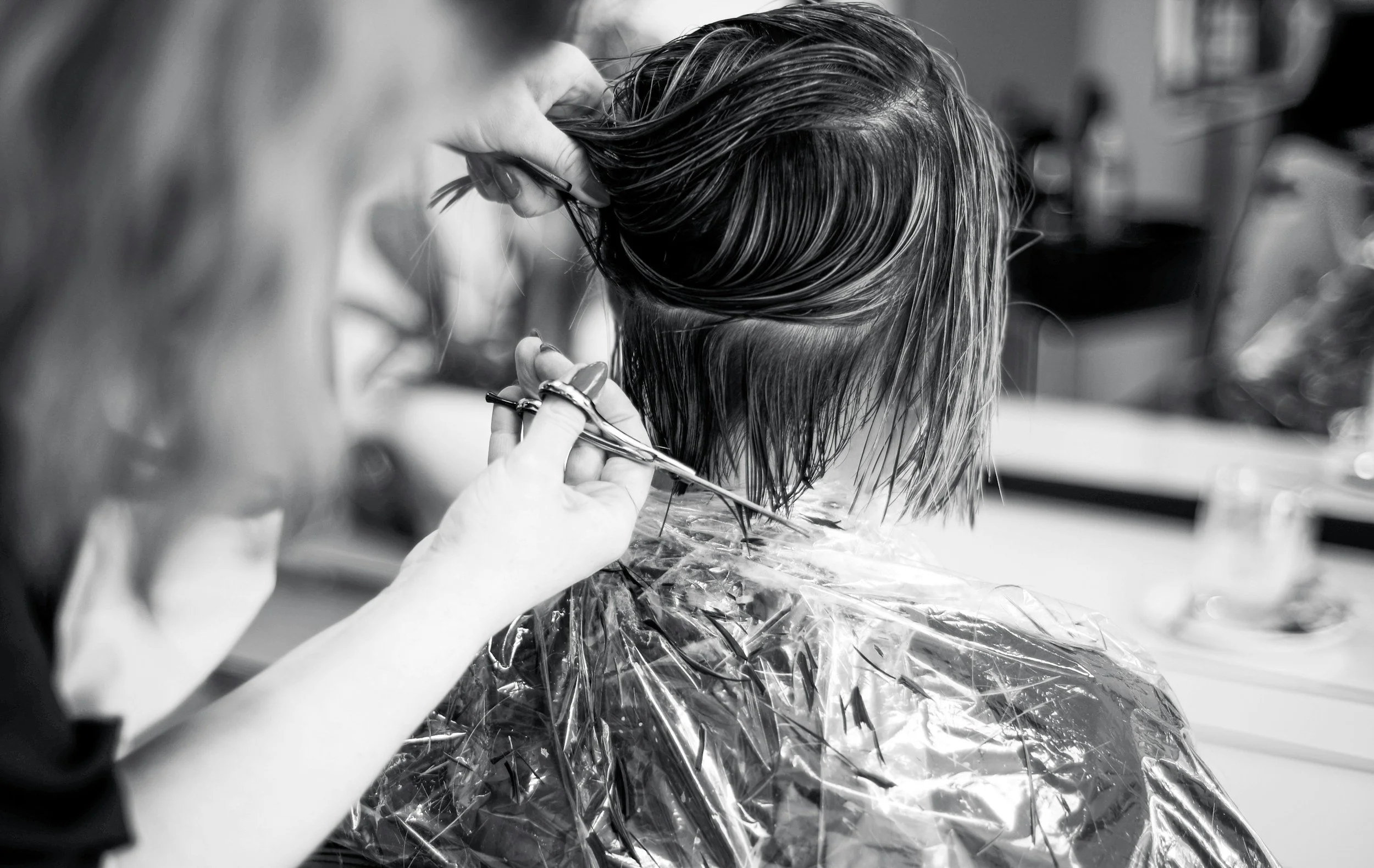
We've all had those moments when we leave the salon with a haircut we love, only to get home, wash it, and wonder why it doesn't look quite the same. Or maybe you've been getting the same cut for years, but lately it takes more effort to style, your layers don't seem to fall right, or you're just not feeling it anymore.
Before you assume you need an entirely new look, there's something worth considering: have you talked with your stylist about what's actually happening with your hair?
It's easy to sit in the salon chair and focus on what we'd like our hair to look like. But some of the most helpful conversations happen when we talk about how our hair behaves in real life.
Tell Us What's Working (and What Isn't)
You don't have to arrive at your appointment with all the answers. In fact, telling your stylist what's frustrating you can be more helpful than bringing in a photo of a haircut you hope will solve everything.
Does your hair fall flat by lunchtime? Are your ends flipping out in a way you can't seem to control? Do your layers look great at the salon but disappear when you style your hair at home?
Those little details help your stylist understand what you need from your cut. They can also help distinguish between a haircut issue and something that might be better addressed with a different styling technique or product.
And please, don't feel like you have to pretend you love a style if it's not working for you. Honest feedback gives your stylist a chance to make adjustments and help you find a better fit.
Bring Inspiration Photos, but Bring Your Real Life, Too
Inspiration photos are wonderful for communicating the look you're drawn to. The key is remembering that the person in the photo may have a different hair texture, density, length, or styling routine than you do.
Show your stylist what you love about the picture. Is it the shape around the face? The movement through the ends? The overall length or the way the layers create volume?
Then talk about how that look might translate to your hair. A good stylist can help you understand what is achievable, what might need adjusting, and how much effort the finished style will require.
And be honest about your routine. If you rarely use a blow-dryer or don't want to spend twenty minutes styling every morning, that's important information. Your haircut should work with your life, not require you to rearrange it.
Ask About Maintenance Before You Commit
Some haircuts are wonderfully low-maintenance. Others need regular trims or a little styling to keep their shape. Neither is necessarily better, but it's helpful to know what you're signing up for.
Before making a change, ask your stylist how the cut will grow out, how often you'll likely need a trim, and what it will take to recreate the finished look at home.
The same goes for color. If you're considering a new shade or technique, talk about upkeep and how it may look as it grows out. Understanding the commitment ahead of time can help you choose a style you'll still be happy with a few months down the road.
Your Stylist Is Part of the Conversation
A haircut appointment isn't just about taking off a certain amount of length. It's an opportunity to talk through what you want, what your hair is doing, and what will realistically work for you.
You know your daily routine and the things that frustrate you about your hair. Your stylist brings the technical knowledge to help make sense of those concerns and find a solution.
When both sides of that conversation come together, it's much easier to create a haircut that looks good when you leave the salon and still works when you're standing in front of your own bathroom mirror.
So at your next appointment, don't be afraid to ask questions, share what's been bothering you, or admit that your current routine just isn't cutting it anymore. Sometimes, the best change isn't a completely different haircut. It's a better conversation about the hair you already have.
